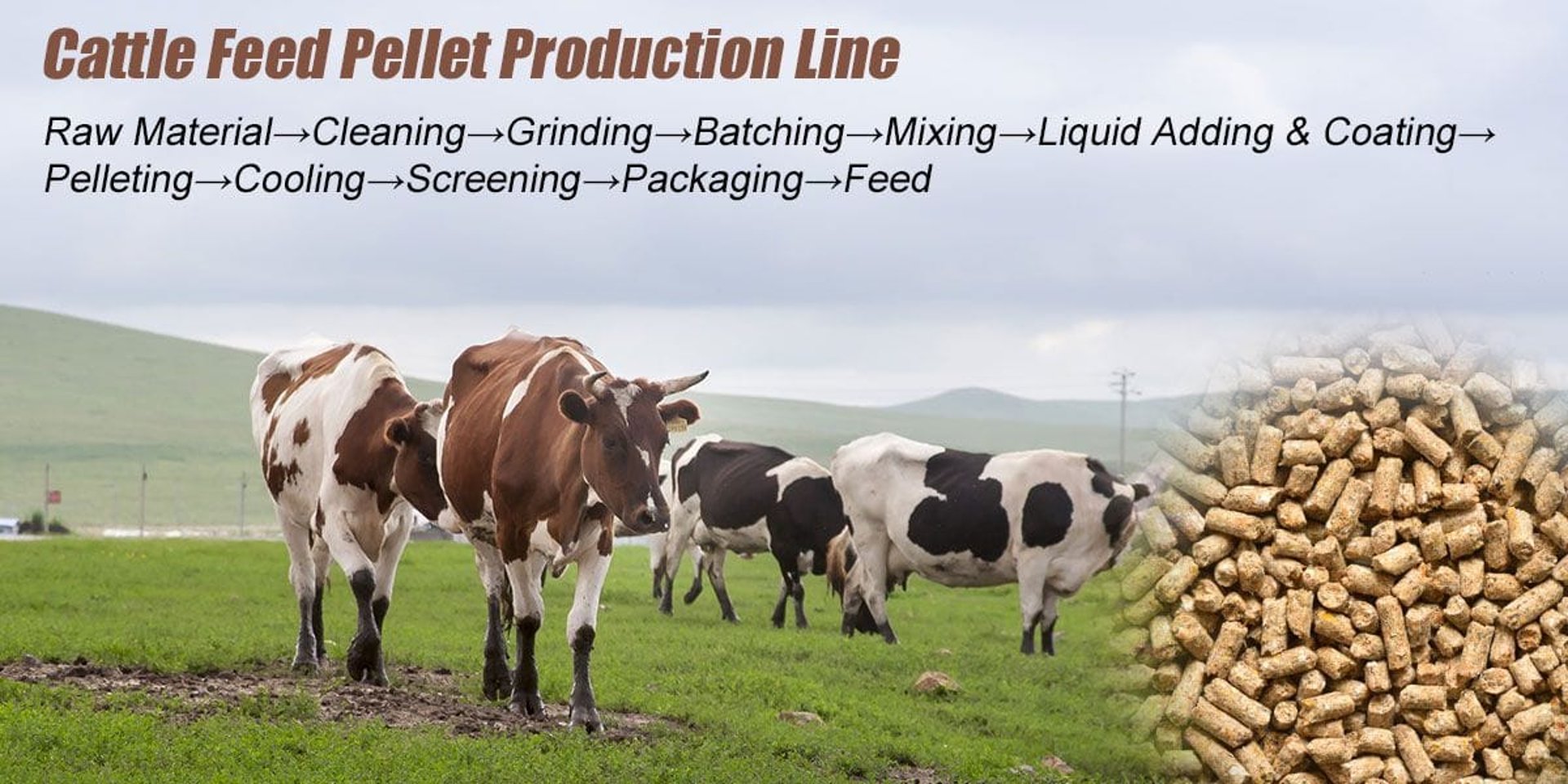
Cattle Feed
Feeding managaent of cattle and buffalo
Feed Ingredients
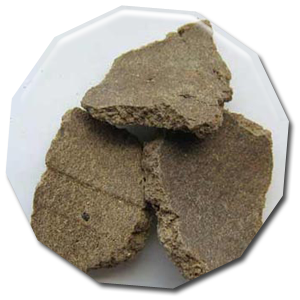
CEREAL GRAIN
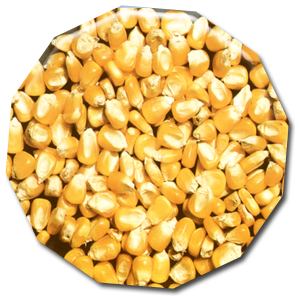
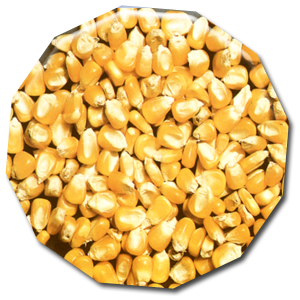
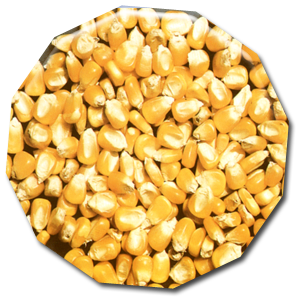
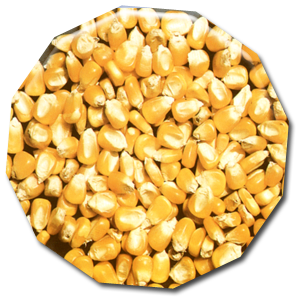
Maize or corn (Zea mays)
Maize has high metabolisable energy value with low fibre content
It has 8-13% of crude protein.
It has high TDN of 85%
Recently, new variety of maize (Floury 2) was produced with high methionine and lysine.
Farm animals are fed with crushed maize.
Flaked maize decreases the acetic acid to propionic acid proportion in rumen and hence depresses the butterfat content of milk.
Improperly stored maize having higher moisture content are prone to aspergillus flavus infestation and produces aflatoxin.
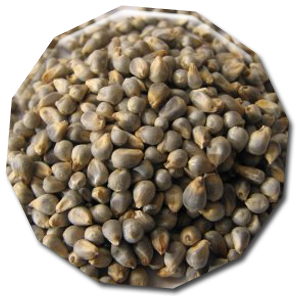
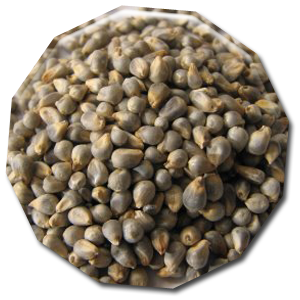
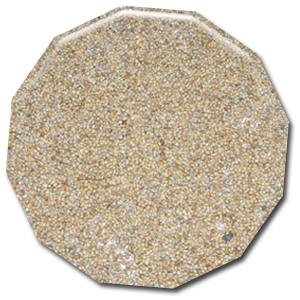
Bajra / Cumbu (Pennensetum typhoides)
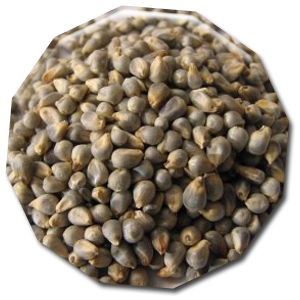
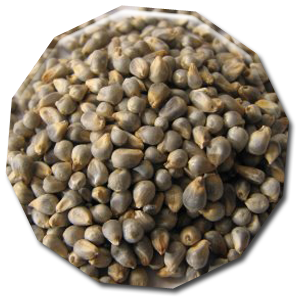
Nutritive value of Bajra is similar to Sorghum
They have 8-12% of crude protein and rich tannin content.
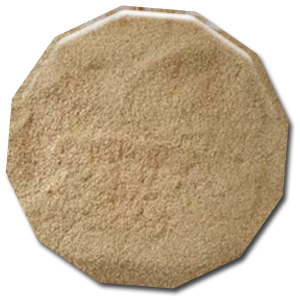
Seeds are hard so it has to be ground or crushed before fed to cattle.
Sorghum /Jowar / Milo (Sorghum vulgare)
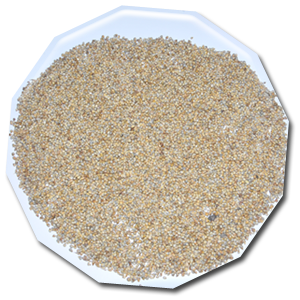
Sorghum is similar to maize in chemical composition.
They have higher protein and low fat than maize.
Cattle are fed with ground Sorghum.
Rice (Oryza sativa)
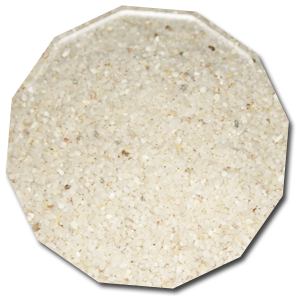
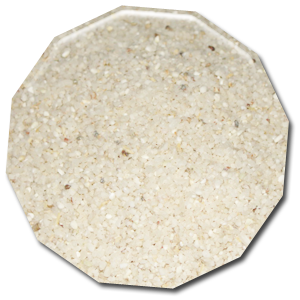
The crude protein and energy values are comparable to maize.
It is widely used for human consumption.
Based on the cost, it can be included in animal feed.
Oats (Avena sativa)
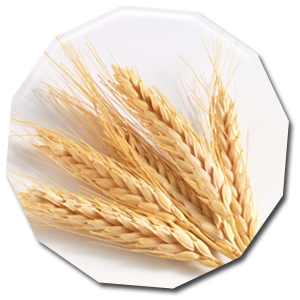
Oats has highest crude fibre of 12 - 16% with 7-15% of crude protein.
Methionine, histidine and tryptophan are deficient in oats but abundant in glutamic acid.
Cattles are fed with crushed or bruised oats.
Barley (Hordeum vulgare)
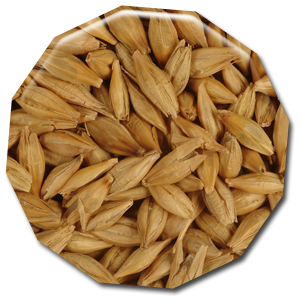
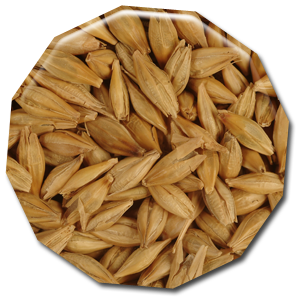
Barley has high fibre content with 6-14% of crude protein
It has low lysine and less than 2% of oil content.
Barley is a main concentrate food for fattening animals in UK.
Verity “Notch 2” developed at UK is rich in lysine.
Wheat (Triticum aestivum)
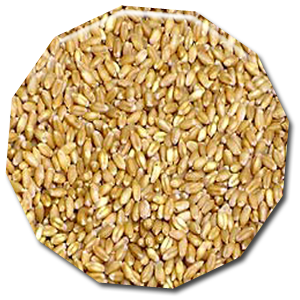
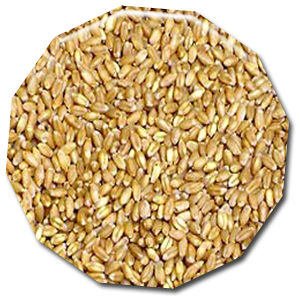
Wheat contains 6-12% of crude protein.
The endosperm contains prolamin (gliadin) and glutelin (glutenin) protein mixture, which is referred as gluten.
Strong gluten is preferred for bread making since it form dough, which traps the gasses, produced during yeast fermentation.
Finely milled wheat is unpalatable to animals because it forms the pasty mass in the mouth and may lead to digestive upset.
Do not feed finely ground wheat to farm animals.
VEGETABLE PROTEINS
Groundnut oil cake
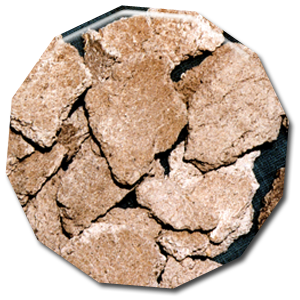
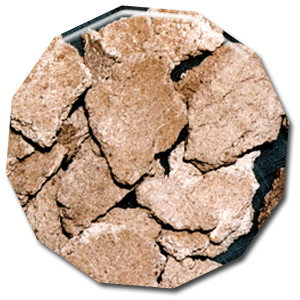
Groundnut oilcake is one of the best protein supplements for livestock feeding and is extensively used.
Groundnut oil meal refers to solvent extracted residue and two grades (Grade I & grade II) are available in the market.
Groundnut oilcake refers to expeller pressed and two varieties (Grade I & grade II) are available in the market.
The common adulterant includes castor husk and Mahua oilcake.
Groundnut oilcake has about 45% protein, which is deficient in cystein, methionine and lysine, but good source of Vitamin B12 and calcium.
Aflatoxin affection
In rainy season it is specifically labile to contain a toxic factor – Aflatoxins, a secondary metabolite of Aspergillus flavus.
Mould spoilage and Aflatoxin production can occur at any stage from growing crop to the formulated feed or stored raw material.
Aflatoxins are the most potent toxic, mutagenic, teratogenic and carcinogenic metabolities produced by the species of Aspergillus flavus and A.parasiticus on food and feed materials.
Presence of oxygen, conducive temperature (10 – 40ºC) and high humidity favours the mould growth.
High moisture in the crop, which harvested around wet period and also inadequately dried products, favours the fungal growth and toxin production.
There are four Aflatoxins, B1, G1, B2 and G2 out which B1 is most toxic.
The most common symptoms in the affected animals are liver damage with marked bile duct proliferation, liver necrosis and hepatic tumors while the other symptoms include gastritis and kidney dysfunction.
Soybean meal
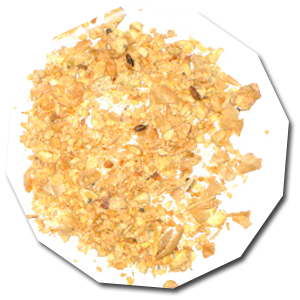
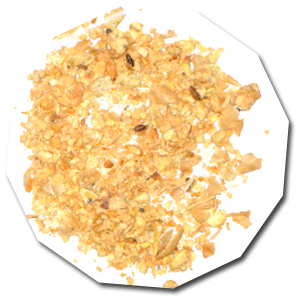
Soybean meal contains 44% proteins with all indispensable amino acids except cystein and methionine since the concentrations are sub optimal.
It can be fed to all livestock up to 30% of the ration.
The common adulterant includes castor husk and Mahua oilcake.
Like other oil seeds, raw soybeans have number of toxic and inhibitory substances.
These toxic, inhibitory substances and other factors in soybean like saponins can be inactivated by proper heat treatment during processing.
Sunflower oil cake
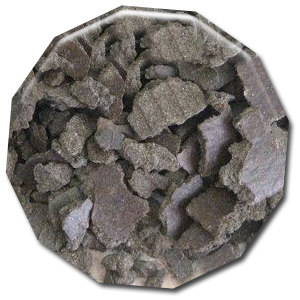
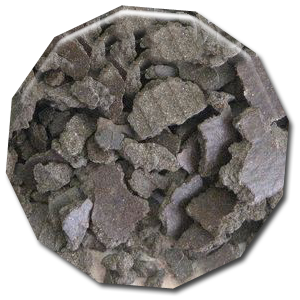
Sunflower oilcake contains 40% of protein with low lysine and twice the amount of methionine than soy protein.
It has very short self-life.
The expeller variety of Sunflower seed meal or cake has high content of polyunsaturated fatty acids, when fed in large amount to cows it makes butter soft.
It can be fed to cattle ration up to 20% level.
Sunflower oilcake is not recommended for calves.
Cotton seed meal
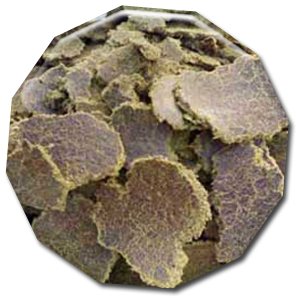
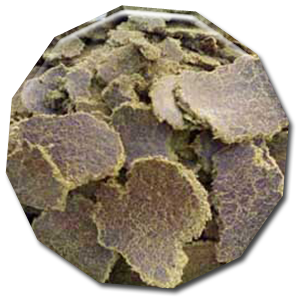
It has a good quality of protein but with low content of cystein, methionine and lysine.
The calcium to phosphorous ratio is about 1:6, so calcium deficiency may occur.
Lactating cows can be fed with cotton seed meal but when it was given large amount, milk may become hard and firm, so butter made from such milk fat is difficult churn and may also tend to develop tallow taints.
Both decorticated cottonseed oilcake as well as undecorticated cottonseed oilcake are available in the market with two grades (Grade I & II) in each varity.
Cottonseed meal contains 0.3-20g/kg dry matter of a yellow pigment known as Gossypol, a polyphenolic aldehyde.
It is an antioxidant and polymerization inhibitor.
It is toxic to simple stomached animals and the symptoms include depressed appetite, loss of weight and even lead to death due to cardiac failure.
Gossypol toxicity can be reduced by the addition of calcium hydroxide and iron salts.
Shearing effect of screw press in expeller process is an efficient gossypol inactivator.
Coconut meal
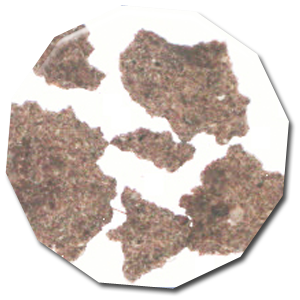
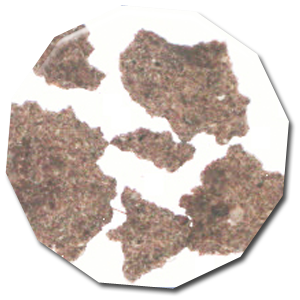
It contains 20-26% crude protein with low lysine and histidine content and 2.5-6.5% oil content.
The higher oil meals tend to get rancid and may cause diarrhoea; hence low oil content meal should be preferred.
It should be restricted to swine and poultry as it contains low protein and high fibre and low fibre coconut meal can be fed to monogastric animals with lysine and methionine supplements.
Coconut meal produces firm milk fat that is most suitable for butter making.
Linseed meal
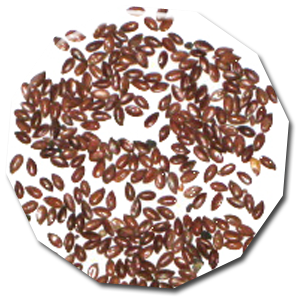
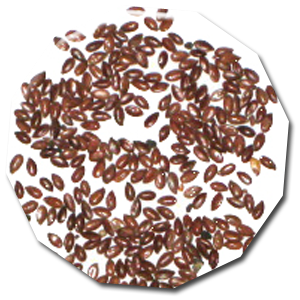
Linseed is rich protein source with low methionine and lysine content and also rich in phosphorous part of which is present as phytase but has only moderate calcium content.
It is a high source of vitamins like riboflavin, nicotinamide, pantothenic acid and choline.
It also has protective action against selenium poisoning.
Linseed oil meal refers to solvent extracted residue and two grades (Grade I; grade II) are available in the market.
Among the oilseed residues linseed is unique because it readily dispersible in water, forming a viscous slime due the presence of 3-10% of mucilage.
Cyanogenetic glycoside, linamarin and an associated enzyme, linase in immature linseed hydrolyses it with the evolution of hydrocyanic acid.
HCN is a potent respiratory inhibitor and hence, depending on the species the minimum lethal dose taken orally has been estimated as 0.5-3.5 mg/kg of body weight.
Proper water washing, drying and storage can reduce glycosides in the feedstuffs.
Linseed oilcake refers to expeller pressed and two verities (Grade I; grade II) are available in the market.
Linseed oilcake/meal is a good food to ruminants.
Mustard cake
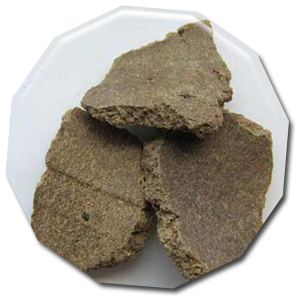
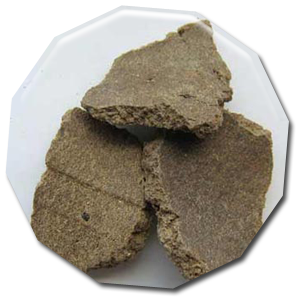
It is widely used cattle feed in Northern India.
Its nutritive value is lesser than groundnut cake.
D.C.P and T.D.N values are 27% and 74 % respectively.
It can be included up to 10% of the ration;
It has rich calcium and phosphorous content of about 0.6% and 0.1% respectively.
Sesame seed meal / Gingelly oil cake / Til oil cake
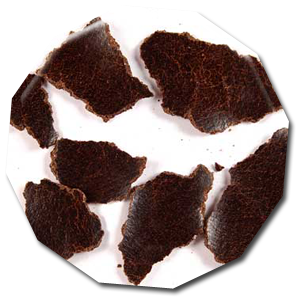
It contains 40% protein, rich in leucine, arginine and methionine but low lysine.
It was produced from the residues of sesame meal after removal of oil from sesame seed.
There are three verities – red, black, white.
White is of high nutritive value than red.
It has high phytic acid.
Sesame seed meal has laxative action and can be included in the cattle ration upto 15%.
MILLING BY PRODUCTS
Rice bran
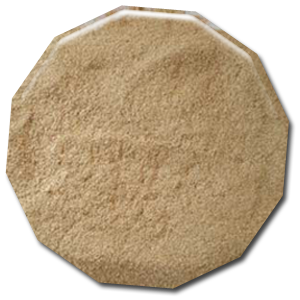
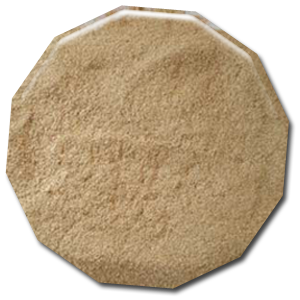
It is the outer coarse coat of the rice grain separated during processing.
Rice bran is a valuable product with 12-14% of protein and 11-18% oil mostly with unsaturated fatty acids and hence it becomes rancid rapidly.
The oil removed rice bran is available as deoiled rice bran in market for livestock feeding.
Wheat bran
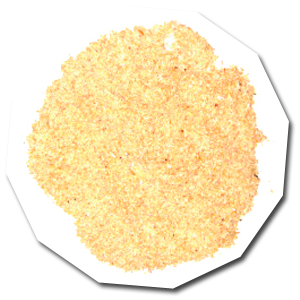
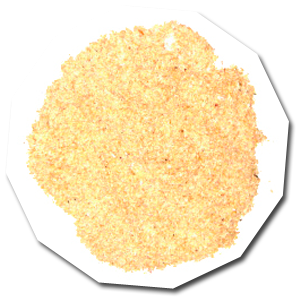
Wheat bran is an excellent food with more fibre content.
It is laxative when mashed with warm water but tends to counter act scouring when it was given dry.
It is not commonly fed to pigs and poultry because of the fibrous nature and low digestibility.
Polishing
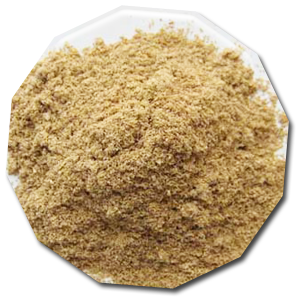
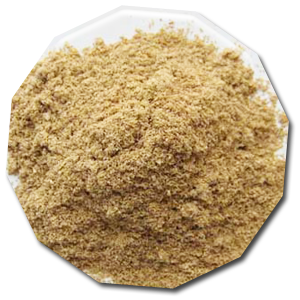
During rice polishing this by products accumulates which contains 10-15% protein, 12% fat and 3-4% crude fibre.
It is rich in B- complex and good source of energy.
Due to high fat content rancidity may occur.
Molasses
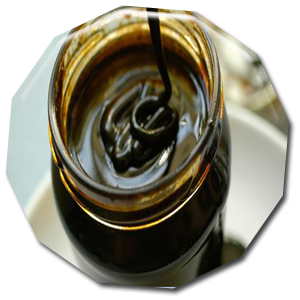
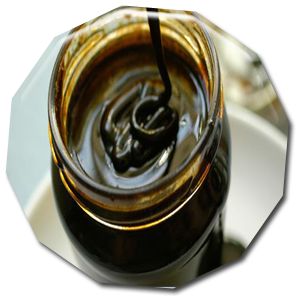
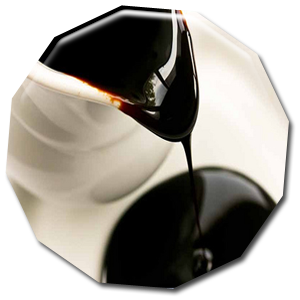
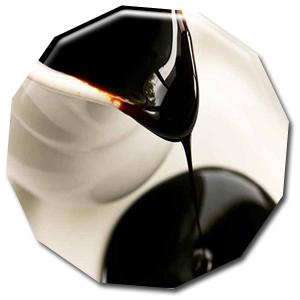
It is a byproduct produced during juice / extract prepared from selected plant material.
It is a concentrated water solution of sugars, hemicelluloses and minerals.
Four varities of molasses are commonly available viz. cane molasses, beet molasses, citrus molasses and wood molasses.
Cane molasses is a product of sugar industry and contains 3% protein with 10% ash.
Beet molasses is a product during production of beet sugar and has higher protein (6%).
Citrus molasses is bitter in taste with highest protein (14%) and produced when oranges or grapes are processed for juice.
Wood molasses is a product of paper industry with 2% protein and palatable to cattle.
Molasses is a good source of energy and an appetiser.
It reduces dustiness in ration and is very useful as binder in pellet making.
Molasses can be included upto 15% in cattle
ANIMAL AND VEGETABLE FAT
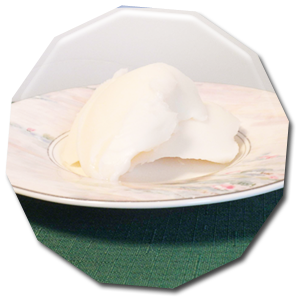
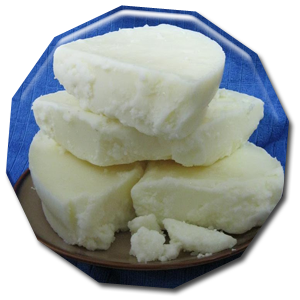
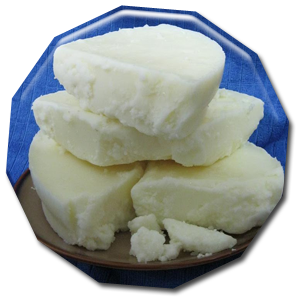
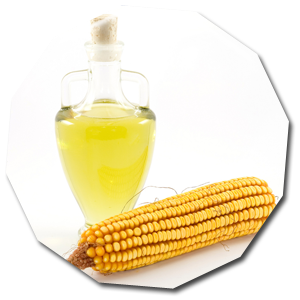
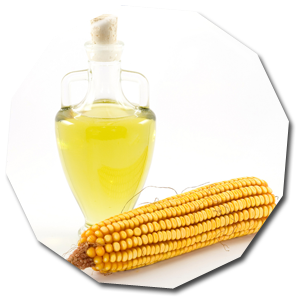
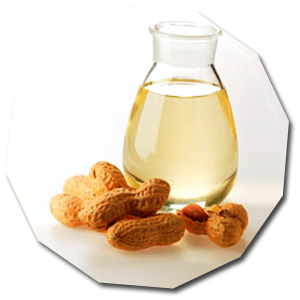
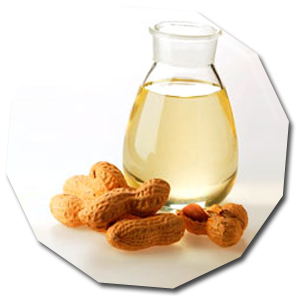
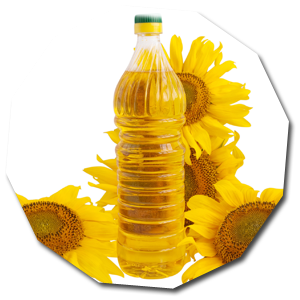
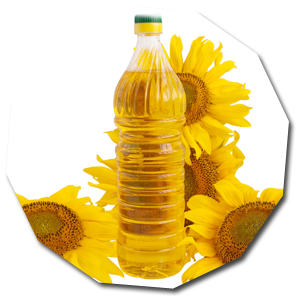
Fat (Vegetable/Animal) provides 2.25% more energy than carbohydrate or protein.
Oil and fat reduces the dustiness in feed and lessens the wear on feed mixing equipments.
Vegetable oil like corn oil, Groundnut oil, sunflower oil and animal fat like lard, tallow are extensively used in livestock feeding.
Animal fat contains saturated as well as unsaturated fatty acids of C20, C22, and C24.
Vegetable fats contain greater proportion of linoleic acid.
Higher level of poly unsaturated fatty acids leads to rancidity and therefore anti oxidants like Butylated hydroxytoluene (BHT) or Ethoxyquin should be included in high fat diet.
Feeding allowances
Feeding allowances for dairy cattle and buffalo

Get in touch
Address
Plot no. 76, Dwarka Nagari, Near Sonone Hospital,Akola,Maharashtra,India.
Pincode:444001
Contacts:
export@avhanta.com
Connect us
________________________________________________________________________________________________________________________________________________________________________________
© 2026-2027 | Avhanta Group of Companies all rights reserved.